
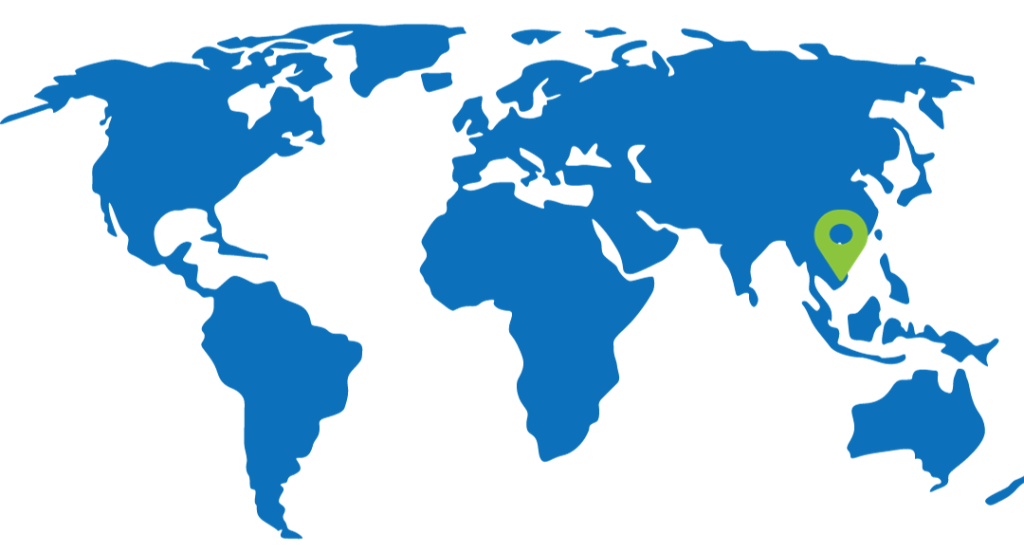
Vietnam has moved ahead with a standalone Law on Artificial Intelligence, effective from March 1, establishing a comprehensive legal architecture for AI governance, risk management, and innovation. The legislation places Vietnam among a select group of nations adopting dedicated AI legislation at the parliamentary level, aiming to ensure coherent enforcement and ecosystem development in the years ahead.
Risk-Based Governance and Classification
The law introduces a three-tier risk classification system for AI applications, categorizing them into high, medium, and low risk. Providers must assess and categorize their systems prior to deployment. High-risk systems face stricter safeguards, requiring developers to incorporate mechanisms for human oversight and intervention, maintain comprehensive technical documentation, and keep operational logs for compliance reviews. The Ministry of Science and Technology is preparing an official list of high-risk AI systems based on criteria such as impact on human rights, public safety, and the degree of automation.
Transparency and Safeguards
The legislation significantly tightens transparency requirements for AI-generated content. AI systems interacting directly with users must be clearly identifiable. Furthermore, providers are mandated to embed machine-readable markers in AI-generated audio, images, and videos. Content that replicates a real person’s voice or appearance, or simulates real-world events, must carry clear and visible labels to distinguish it from authentic material.
Infrastructure and Ecosystem Development
For this article’s source information and any product certification guidance, please contact Global Validity.
Quick Country Facts
Vietnam
Certification Body: Ministry of Information and Communications (MIC)
Certification Type: Mandatory
License Validity: 36 Months
Application Language: English
Legal License Holder: Local Representative
In-Country Testing Requirement: In-Country Testing
The regulatory information above is based on radio type approval certification. Access additional certification requirements in over 200 countries and territories with Global Validity’s free proprietary product certification management software, Access Manager. Learn more about the platform here or fill our quick contact form!
Global Validity is your partner for global certification success
Want to learn more about regulatory compliance and how we can help? Simply fill out the form below and we’ll be in touch!